The Escalating Front: Unpacking the Rising Death Toll in Iran, Israel, and Lebanon
The geopolitical landscape of the Middle East is once again gripped by a devastating escalation, as the intricate web of tensions between Iran, Israel, and Lebanon unravels into direct confrontations and a tragic increase in casualties. What began as a simmering proxy conflict has now widened significantly, marked by direct missile strikes, retaliatory airstrikes, and a growing humanitarian toll. The term "israel iran angriff" captures the raw reality of the situation, signifying a direct and brutal exchange of hostilities that threatens to engulf the wider region. This article delves into the recent surge in violence, examining the key actors, their motivations, and the devastating impact on human lives and regional stability.
The Widening Net of Conflict: Direct Attacks and Regional Spillover
Recent days have witnessed a dramatic intensification of military actions, painting a grim picture across multiple fronts. Iranian forces and their allied militias have launched a barrage of missiles and drones, directly targeting Israel and, in a significant development, extending their reach to various Arab states. Reports indicate that these projectiles, launched by Iranian-backed groups, apparently struck the U.S. Embassy compound in Kuwait, signaling a dangerous expansion beyond the immediate adversaries. In a chaotic sequence of events, the U.S. military also reported that Kuwaiti forces "mistakenly shot down" three American F-15E Strike Eagles during a combat mission, underscoring the volatile and error-prone environment.
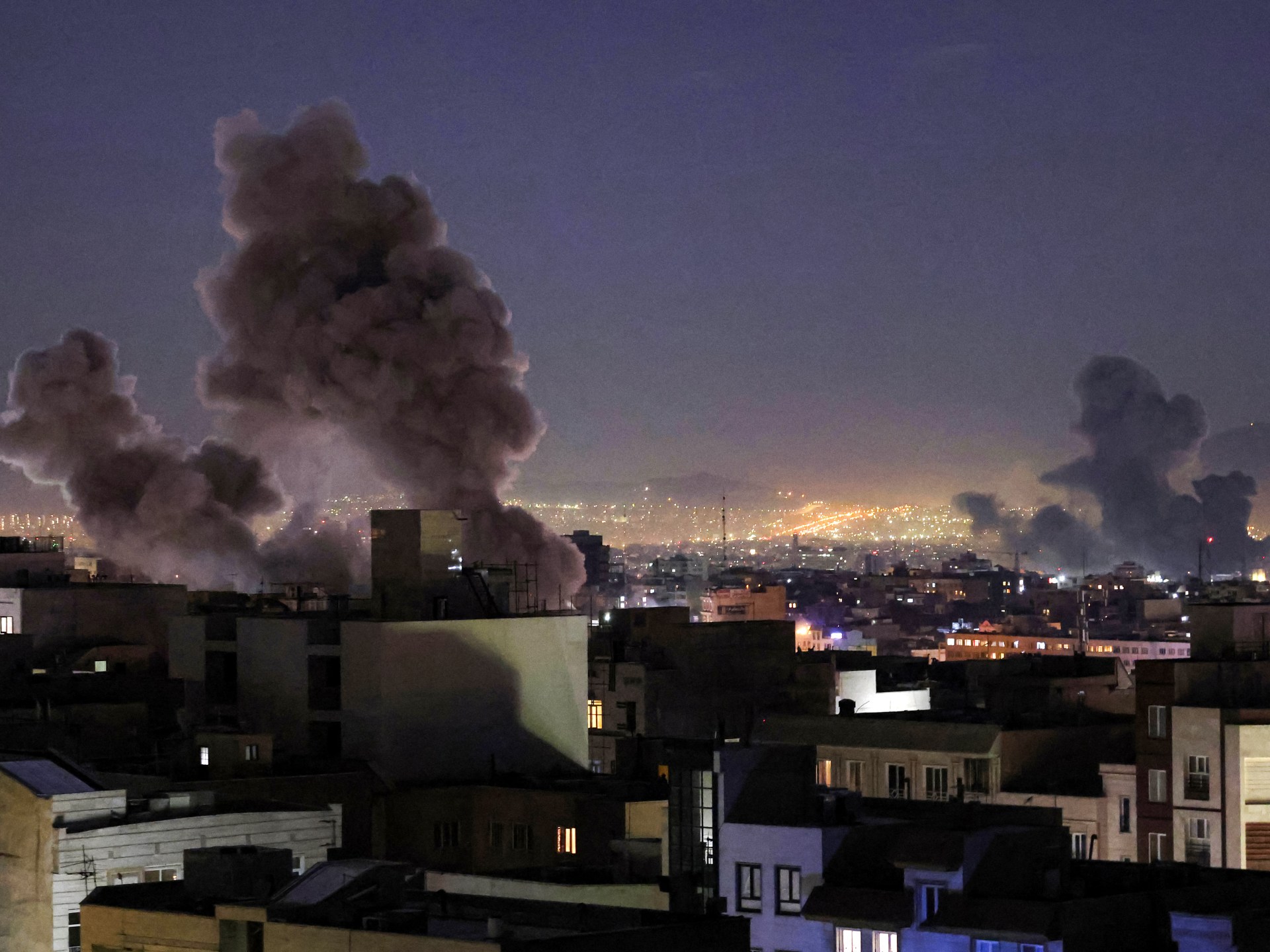
Israel, backed by the United States, has responded with overwhelming force, pounding targets deep within Iran and striking critical infrastructure in Lebanon. The Lebanese Health Ministry has reported particularly severe impacts, with waves of Israeli airstrikes on Beirut's southern suburbs and southern Lebanon resulting in at least 52 deaths and 154 wounded following Hezbollah's missile and drone attacks on northern Israel. These operations, according to the Israeli military, aimed at "Hezbollah command centers and weapons storage facilities." A notable incident included a strike on a building housing Al-Manar channel studios in Beirut's southern suburbs, which followed an evacuation warning, highlighting the precise, yet destructive, nature of the ongoing conflict. This reciprocal "israel iran angriff" dynamic has created a perilous cycle of violence, where each action triggers an immediate and often more severe reaction.
Key Players and Their Motivations in the US-Israel Conflict
The current escalation is driven by a complex interplay of strategic imperatives, ideological commitments, and historical grievances among the primary actors. Understanding these motivations is crucial to grasping the dynamics of the conflict.
- Iran and Its Proxies: Iran's involvement is largely channeled through its network of regional proxies, most notably Hezbollah in Lebanon. Hezbollah explicitly stated its missile firing towards Israel was a "reaction to the aggression," describing "confrontation as a legitimate right." This narrative positions their actions as defensive and retaliatory, warning that Israeli attacks "could not continue without a response." Internally, the conflict coincides with discussions around the succession of Supreme Leader Ali Khamenei, with cleric Alireza Arafi hoping for a "quickly" appointed new leader. This internal political dynamic might influence the regime's outward posture, potentially leading to more assertive actions to project strength.
- Israel: For Israel, the consistent threat posed by Iranian-backed groups on its borders is an existential concern. The Israeli government has consistently asserted its right to self-defense, indicating a determination to act against Iran, "with or without American support." Their strikes on Hezbollah command centers and weapons facilities reflect a strategic objective to degrade the capabilities of groups they view as immediate threats to national security. The precision of some strikes, targeting specific facilities, underscores a strategy of deterrence and capability erosion.
- Lebanon: Caught in the brutal crossfire, Lebanon is suffering immensely. Its southern regions and parts of Beirut have become battlegrounds due to Hezbollah's operations and subsequent Israeli retaliation. While Hezbollah operates within Lebanon, the broader population bears the brunt of the violence, facing significant casualties and infrastructure damage. The country's fragile political and economic state makes it particularly vulnerable to the destabilizing effects of this conflict.
- United States: The U.S. role in this expanding conflict is multifaceted and contentious. Republican Speaker Mike Johnson characterized the U.S. operation as a "defensive operation," arguing it was necessary because Israel was determined to act independently against Iran. However, this stance has met with significant skepticism, with Sen. Mark Warner, top Democrat on the Intelligence Committee, asserting "there was no imminent threat to the United States of America by the Iranians. There was a threat to Israel." Lawmakers expressed frustration after a classified briefing, finding answers "completely and totally insufficient." The Trump administration is likely to seek supplemental funds from Congress to finance the operation, which has already left 18 American service members seriously wounded. The debate over the nature and purpose of US Involvement in Iran Conflict: 'Defensive Operation' or Threat? highlights deep divisions within Washington regarding the extent and justification of American intervention.
The Human Cost: A Growing Humanitarian Crisis
The most tragic aspect of this escalating conflict is the devastating human toll. The numbers reported are stark and continue to climb, painting a grim picture of widespread suffering.
*
Iran: The Iranian Red Crescent Society has reported at least 555 people killed in Iran due to the U.S.-Israeli campaign, with more than 130 cities across the country coming under attack. This indicates a broad and deep impact on civilian populations and infrastructure, suggesting a burgeoning humanitarian crisis.
*
Israel: In Israel, authorities have confirmed 11 fatalities, a significant loss for a country that prides itself on robust defense systems.
*
Lebanon: Lebanon has faced a particularly severe impact, with 31 people reported killed by authorities overall, alongside the 52 deaths and 154 wounded from specific Israeli airstrikes on Beirut and southern Lebanon. The plumes of smoke seen billowing over Beirut's skyline are visual testaments to the destruction.
*
United States: The U.S. military has also sustained casualties, with 18 American service members seriously wounded, a figure that has increased from earlier reports.
These statistics represent lives lost, families shattered, and communities traumatized. Beyond the immediate casualties, the displacement of populations, damage to essential services, and the psychological scars left by continuous conflict pose significant long-term challenges for all affected nations. The widening scope of the
US-Israel Conflict Widens: Attacks, Casualties, and Regional Impact underscores the urgent need for humanitarian aid and protection for civilians caught in the crossfire.
Navigating the Geopolitical Tightrope: Analysis and Future Outlook
The current "israel iran angriff" is not merely a bilateral confrontation but a complex regional entanglement with global implications. Several factors contribute to this dangerous escalation:
*
Regional Power Dynamics: The conflict is deeply rooted in a broader struggle for regional hegemony, with Iran seeking to expand its influence and Israel aiming to counter what it perceives as an existential threat. Lebanon, with its fragile internal politics and the strong presence of Hezbollah, unfortunately becomes a key battleground in this larger struggle.
*
Proxy Warfare vs. Direct Confrontation: While proxy conflicts have long defined the Iran-Israel rivalry, the recent direct attacks by both sides mark a significant and worrying shift. This direct engagement increases the risk of miscalculation and rapid escalation.
*
US Involvement and Dilemmas: The U.S. finds itself in a precarious position, balancing its unwavering support for Israel with the desire to avoid deeper entanglement in a protracted regional war. The debate within Washington highlights the challenges of defining U.S. interests and the appropriate level of intervention, particularly when there's no clear "imminent threat" to U.S. soil.
*
Internal Pressures: Political transitions or internal stability concerns within any of the key nations can contribute to more aggressive external policies, as leaders seek to project strength or consolidate power.
Practical Insights and Considerations:
1.
De-escalation Channels are Critical: The absence of direct diplomatic ties between some adversaries complicates de-escalation. The international community must redouble efforts to establish communication channels and mediate a ceasefire.
2.
Protecting Civilians: All parties must adhere to international humanitarian law, prioritizing the protection of civilians and civilian infrastructure. Humanitarian organizations need unhindered access to deliver aid.
3.
Understanding the Ripple Effect: An "israel iran angriff" has profound implications for global energy markets, trade routes, and the potential for a wider regional conflict involving other nations.
4.
Long-term Strategy: Sustainable peace requires addressing the root causes of conflict, including regional grievances, political disenfranchisement, and economic disparities, rather than solely focusing on military responses.
The rising death toll and the widening scope of the conflict between Iran, Israel, and Lebanon represent a profound and alarming moment for the Middle East. The direct nature of the "israel iran angriff" signals a dangerous evolution from proxy warfare, with devastating consequences for human lives and regional stability. As international concerns mount, the urgent need for diplomatic intervention, de-escalation, and a commitment to protecting civilians has never been more critical. Without concerted efforts, the shadow of this conflict threatens to extend much further, creating irreversible damage to an already volatile region.